

Think-Tanks in Eurasia

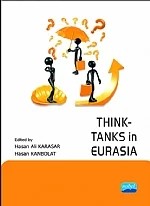
Yazar:Hasan Ali Karasar, Hasan Kanbolat
Stokta Yok
Bu kitapta 21 Nobel Puan kazanın
Sepet tutarı 1000 ₺ ve üzeri
siparişlerinizde kargo ücretsiz!
Kitap Hakkında
Their common characteristic seems to be the existence of an “imperial” past. Another common pattern in all of them is that the strategic thinking in these civilizations had evolved with the motives of “ruling different cultures” and “survival of the state”.
In designing the book, we have tried to have a balanced representation of the gigantic Eurasian geography with significant thematic frames.
To this end, we have included articles about the think-tanks and detailed analyses about the strategic thinking cultures of Eurasian countries like Serbia, Armenia, Georgia, Ukraine, Turkey, Russia, Islamic Republic of Iran, Bulgaria, Azerbaijan, Turkestan (Central Asia: Turkmenistan, Uzbekistan, Kazakhstan, Kyrgyzstan, Tajikistan) and Belarus. As to the thematic frames, topics like development of civil society, cultural parameters, the question of the categorization of think-tanks, specialization and experts, “think-tanks which are giving birth to others,” strategic management procedures in the public sphere, the roles played by the think-tanks at the regional and global communications networks, security sector think-tanks, the roles played by the think-tanks during the “colored revolutions,” the influences of think-tanks operating in economics sector over the decision making mechanisms, think-tanks in transition to democracy and civil society strategies” were included.
Benzer ürünler
Bu kitaba yakın başlık ve konularda öne çıkanlar; kategori ve yayınevine göre de sıralanır — keşfetmeniz için seçildi.

The Arab Uprisings
Murat Aktaş

International Students, MEXT Scholarship, and Japan
Gökberk Durmaz

Olay Yeri İncelemede Spesifik Alanlar - I
Ahmet Tülek, Aslı Atasoy, Beril Anılanmert, Derya Berikten, Fatma Çavuş Yonar, Meliha Koldemir Gündüz, Melike Aydoğdu, Murat Kuloğlu, Mustafa Furkan, Nebile Dağlıoğlu, Nurdan Sezgin, Özge Ünlütürk, Rukiye Aslan, Serap Annette Akgür, Soydan Toklu, Yakup Gülekçi

ECHOES OF EPHESUS - The Stories Behind the Ruins
Davut Uysal

Türk Vergi Sisteminde Mükellef Hakları
Ceyda Kükrer

Cumhuriyetin 100. Yılında Dünden Bugüne Medeni Hukuk Alanındaki Gelişmeler Sempozyumu
Şükran Şıpka, Nesli Beril Özen Çolak

AİHM ve Yargıtay Kararları ve Yorumlarıyla Ceza Davalarında Avukatlık Rehberi
Fatih Kanmaz

Türkiye'de Kamu Kurumu Niteliğindeki Meslek Kuruluşları
Mustafa Avcı

Türkiye'de Evlenmenin Evrimi
Kolektif

Changing Marketing Approaches
Cihat Kartal, Tülin Durukan, İbrahim Bozacı, Serhat Karaoğlan

Yabancı Mahkeme Kararlarının Tenfizinde Karşılıklılık Esası
Özüm Demirkol

336 Konuda Sürelerin Hukuk Davalarına Etkileri ve Hak Kaybı - İstinaf Kararları
Suat Çalışkan, Begüm Gürel
Hasan Ali Karasar — diğer kitapları
Aynı yazara ait diğer eserler; çok satanlar öne alındı.

İnsanlık ve Gezegen İçin Ortak Ufuk Tasavvuru
Şafak Oğuz, Hasan Ali Karasar

Imagining a Common Horizon for Humanity and the Planet
Hasan Ali Karasar, Şafak Oğuz

Türkiye'de Stratejik Düşünce Kültürü ve Stratejik Araştırma Merkezleri: Başlangıcından Bugüne Türk Düşünce Kuruluşları
Hasan Kanbolat, Hasan Ali Karasar