

A Culture of Peaceful Coexistence

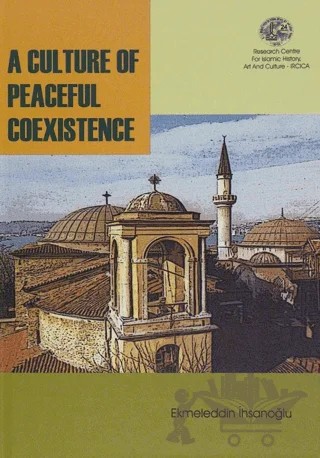
Yazar:Ekmeleddin İhsanoğlu
Yaklaşık 1-3 iş gününde temin
Bu kitapta 302 Nobel Puan kazanın
Sepet tutarı 1000 ₺ ve üzeri
siparişlerinizde kargo ücretsiz!
Kitap Hakkında
Benzer ürünler
Bu kitaba yakın başlık ve konularda öne çıkanlar; kategori ve yayınevine göre de sıralanır — keşfetmeniz için seçildi.

The Influence of Turkic Culture on Mamluk Carpets
Sumiyo Okumura

A Survey of Islamic Cultural Monuments Until the End of the 19th. Century in Bosnia
Adem Handzic

A Short History of Turkish-Islamic States: (Excluding The Ottoman State)
İbrahim Kafesoğlu

Biographies of the Islamic Scholars of Our Times (2 Volumes)
Saduaqas Ghilmani

Refutation of Daniel Alan Brubaker's
Tayyar Altıkulaç

World Bibliography of Translations of the Holy Qur'an in Manuscript Form (3 Volumes)
Mustafa Nejat Sefercioğlu

Proceedings of the International Symposium on the History of Islamic Civilization in Eastern Africa: September 2013, Zanzibar
Kolektif

Proceedings of the International Workshop Manuscript Funds of Uzbekistan: Preservation, Cataloguing and Personnel Training, June 2019, Samarkand
Kolektif

Religious Values and The Rise of Science in Europe
Kolektif

Proceedings of the First International Congress on Islamic Archaeology
Kolektif

Catalogue of Manuscripts in the Köprülü Library (V.1-3)
Ramazan Şeşen, Cevat İzgi, Cemil Akpınar

History of The Ottoman State, Society and Civilisation (2 Volumes)
Kolektif
Ekmeleddin İhsanoğlu — diğer kitapları
Aynı yazara ait diğer eserler; çok satanlar öne alındı.

Akif’ten Emanetler
Ekmeleddin İhsanoğlu, Fatma M. Şen

Osmanlı Modernleşmesinde İlk Adımlar
Ekmeleddin İhsanoğlu

Fenler Evi Darülfünun - Müslüman Dünyasının İlk Modern Üniversitesi
Ekmeleddin İhsanoğlu

İbrahim Sabri
Abuzer Kalyon, Ekmeleddin İhsanoğlu, Filiz Kalyon

Medreseler Neydi Ne Değildi?
Ekmeleddin İhsanoğlu

Yozgatlı İhsan Efendi
Ekmeleddin İhsanoğlu

Osmanlı Bilim Mirası (2 Cilt Takım)
Ekmeleddin İhsanoğlu

Fetih ve Fatih
Abdülkadir Özcan, Ahmet Şimşirgil, Aykut Kazancıgil, Cahit Baltacı, Ekmeleddin İhsanoğlu, Gönül Tekin, Halil İnalcık, İskender Pala, Necdet Öztürk, Nevra Necipoğlu, Oktay Aslanapa, Selçuk Mülayim, Semavi Eyice, Yusuf Halaçoğlu

Yeni Yüzyılda İslam Dünyası
Ekmeleddin İhsanoğlu

Darülfünun - Osmanlı'da Kültürel Modernleşmenin Odağı (2 Cilt)
Ekmeleddin İhsanoğlu

Tarihimiz Konuşuyor
Ahmet Tabakoğlu, Cezmi Bayram, Ekmeleddin İhsanoğlu, Ergun Göze, İhsan Fazlıoğlu, İskender Pala, İsmet Bozdağ

Mısır'da Türk Kültür İzleri: Mısır Halk Dilinde Türkçe Kelimler Lügatçasıyla Birlikte
Ekmeleddin İhsanoğlu, Salih Sadawi
